
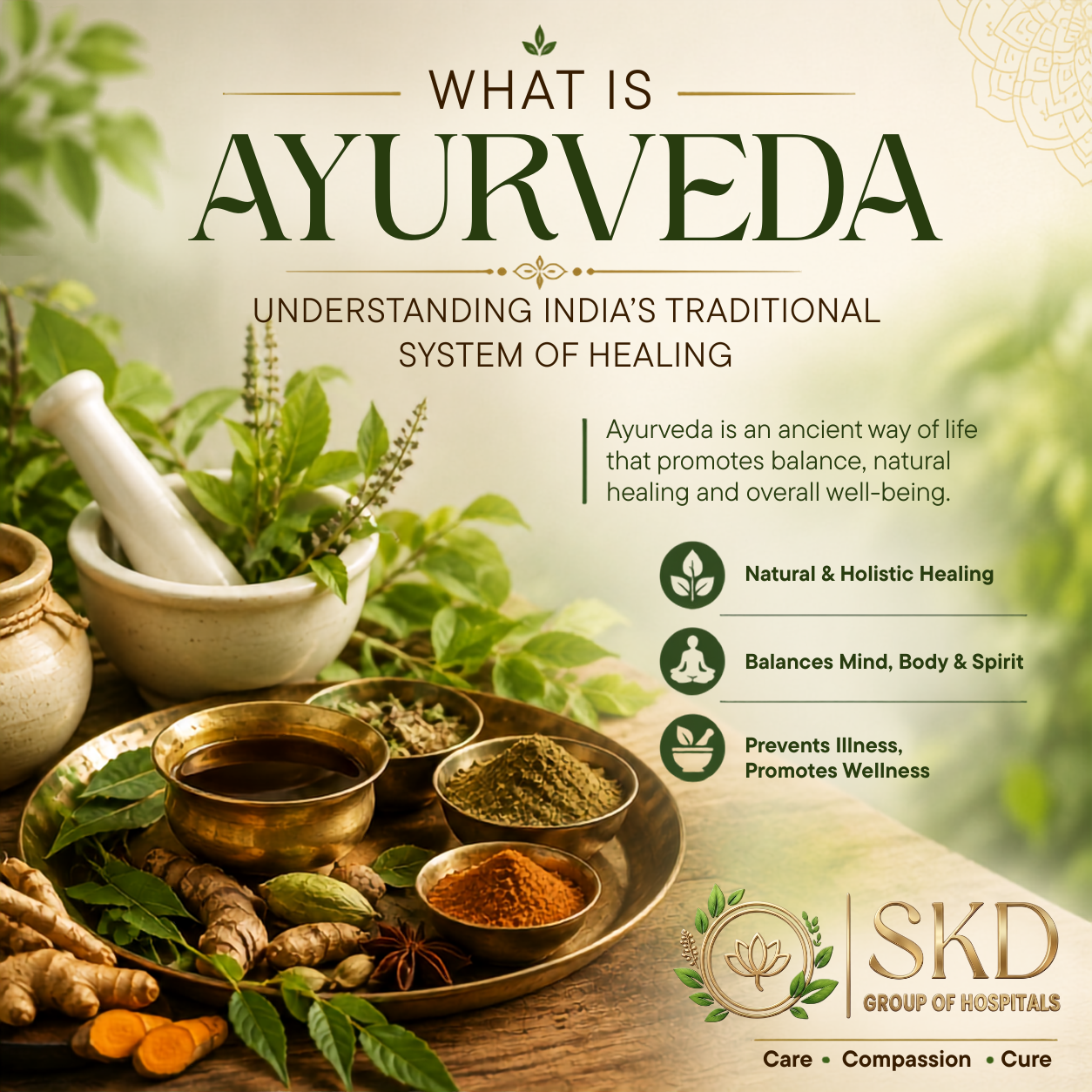
Ayurveda is one of India’s traditional systems of healthcare, with a documented history spanning more than 5,000 years according to the Ministry of Ayush. The word Ayurveda comes from two Sanskrit terms: “Ayus,” meaning life, and “Veda,” meaning knowledge or science. It is therefore commonly understood as the “Science of Life.”
Rather than focusing only on illness, Ayurveda places importance on maintaining health, supporting well-being and understanding the relationship between the body, mind, lifestyle, diet and environment.
Today, Ayurveda continues to be practiced in India and is receiving growing global attention as part of traditional, complementary and integrative approaches to health. The World Health Organization also recognizes Ayurveda as an important traditional medicine system and has developed international terminology and benchmarks related to its practice.
What Is Ayurveda?
Ayurveda is a traditional Indian system of healthcare that takes a holistic approach to health and well-being.
The Ayurvedic approach considers an individual's constitution, lifestyle, diet, environment and overall state of health when providing care. Its traditional principles include concepts such as Prakriti, Vikriti, Doshas, Agni and Dhatus.
The goal is not simply to address a particular symptom but to understand an individual's overall health and provide an appropriate, personalized approach.
Ayurvedic care may include a combination of:
- Diet and nutrition guidance
- Lifestyle recommendations
- Herbal preparations
- External therapies
- Internal medicines when prescribed
- Panchakarma procedures when clinically appropriate
- Yoga and supportive wellness practices
Treatment plans should be determined by a qualified Ayurvedic physician based on the individual's condition and requirements.
The History of Ayurveda
Ayurveda has deep roots in India's medical and cultural heritage. The Ministry of Ayush describes Ayurveda as a traditional system of medicine with a documented history of more than 5,000 years. Important classical Ayurvedic texts include the Charaka Samhita and Sushruta Samhita, which systematically described principles of health, disease, medicines and therapeutic practices.
Over centuries, Ayurvedic knowledge developed through different schools of physicians and surgeons. These classical traditions contributed to Ayurveda's extensive knowledge of medicinal plants, diet, lifestyle, therapeutic procedures and approaches to maintaining health.
Ayurveda has continued to evolve while retaining many of its traditional concepts and practices.
Understanding the Three Doshas
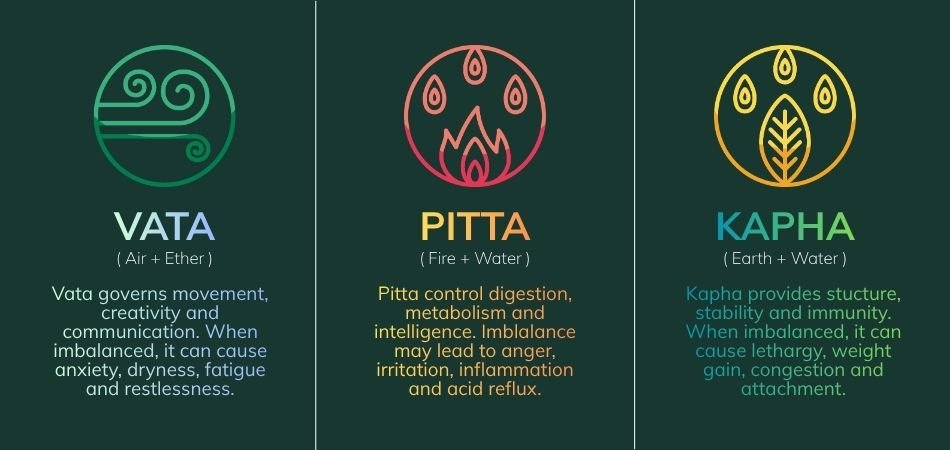
One of the best-known concepts in Ayurveda is the Tridosha theory, which describes three functional principles known as:
Vata
Vata is traditionally associated with movement and functions related to activity and mobility within the body.
Pitta
Pitta is traditionally associated with transformation and processes such as digestion and metabolism.
Kapha
Kapha is traditionally associated with stability, structure and lubrication.
According to Ayurvedic principles, every individual has a unique constitution, or Prakriti, involving these three doshas in different proportions.
Understanding an individual's constitution is traditionally considered important when developing personalized Ayurvedic lifestyle and healthcare recommendations.
What Makes Ayurveda Different?
One important feature of Ayurveda is its emphasis on individualized care.
Two people experiencing similar symptoms may have different constitutions, lifestyles, dietary habits and underlying factors. Therefore, Ayurveda traditionally considers the individual rather than applying exactly the same approach to everyone.
Ayurvedic consultations may consider factors such as:
- Physical constitution
- Digestive patterns
- Sleep
- Diet
- Daily routine
- Lifestyle
- Stress and mental well-being
- Seasonal influences
- Current health concerns
This personalized approach is one reason Ayurveda remains relevant to people interested in holistic health and wellness.
The WHO describes traditional medicine as including approaches that can emphasize nature-based remedies and holistic, personalized approaches to health and well-being.
Ayurveda and Daily Lifestyle
Ayurveda is not limited to treatments performed in a hospital or clinic.
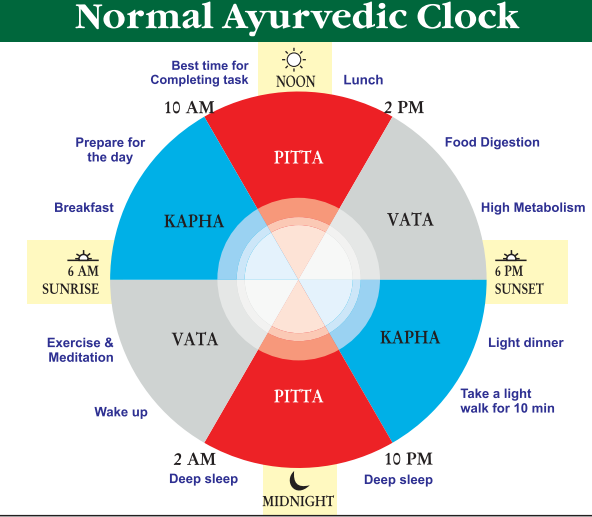
Traditional Ayurvedic principles also place considerable importance on daily habits and preventive health.
A healthy Ayurvedic lifestyle may involve paying attention to:
Balanced Nutrition
Eating appropriate, nourishing foods according to individual needs is an important part of Ayurvedic lifestyle principles.
Regular Daily Routine
Maintaining consistent routines for sleep, meals, activity and personal care can support overall well-being.
Adequate Rest
Good-quality sleep and appropriate periods of rest are important components of a healthy lifestyle.
Physical Activity
Regular movement appropriate to one's age, physical condition and capacity can contribute to overall health.
Mental Well-Being
Managing stress and maintaining emotional balance are also important aspects of holistic health.
Popular Ayurvedic Therapies
Ayurveda includes a wide range of traditional therapies and procedures. The appropriate therapy depends on the individual's health condition and should be recommended by a qualified Ayurvedic physician.
Some commonly known Ayurvedic therapies include:
Abhyanga
Abhyanga is a traditional Ayurvedic oil therapy involving the application of warm herbal or medicated oils to the body.
Shirodhara
Shirodhara involves the controlled pouring of a suitable liquid, traditionally oil, over the forehead as part of an Ayurvedic therapeutic procedure.
Nasyam
Nasyam involves the administration of appropriately prepared medicines through the nasal route as part of Ayurvedic treatment.
Panchakarma
Panchakarma refers to a group of classical Ayurvedic therapeutic procedures. It is traditionally performed under professional supervision following appropriate assessment and preparation.
Kati Basti
Kati Basti is a localized Ayurvedic therapy traditionally involving the retention of warm medicated oil over the lower back region.
Swedana
Swedana refers to Ayurvedic therapeutic sweating or fomentation procedures, which may be used alongside other treatments depending on the individual's needs.
Important: Ayurvedic therapies are not one-size-fits-all. A qualified Ayurvedic physician should assess the individual and determine whether a particular therapy is appropriate.

Why Choose Professional Ayurvedic Care?
Ayurvedic treatment should ideally be provided through a structured process involving:
Consultation → Assessment → Personalized Treatment Plan → Therapy/Medication → Follow-up
Professional guidance can help ensure that the selected therapy is appropriate for the individual's condition and health requirements.
At Kanaka's Ayurvedic Multi-Specialty Hospital, the focus is on providing Ayurvedic healthcare with an emphasis on personalized attention, traditional therapeutic principles and patient well-being.
Experience Ayurvedic Care at Kanaka's Ayurvedic Multi-Specialty Hospital
Ayurveda is more than a collection of therapies. It represents a traditional approach to understanding health, lifestyle, balance and well-being.
From personalized consultations and lifestyle guidance to traditional Ayurvedic therapies, appropriate care should always be selected according to the individual's needs.
If you are interested in understanding how Ayurveda may fit into your healthcare and wellness journey, consult a qualified Ayurvedic physician for personalized guidance.
📍 Kanaka's Ayurvedic Multi-Specialty Hospital
22-19-1/B, Ravindra Nagar, Tirupati
📞 90100 01124